

Brow Tint Gallery
$$MultiPurposeText$$
See examples of our Brow Tint work and results.





What Our Clients Say
$$MultiPurposeText$$
Read testimonials from our satisfied customers

I’ve been going to both the Boulder and Denver locations for 10 years! I wouldn’t trust an...more

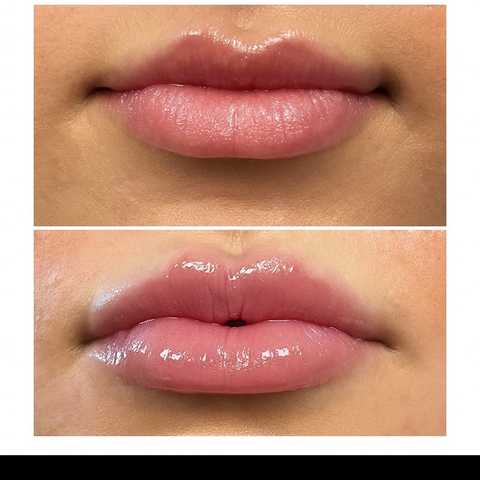
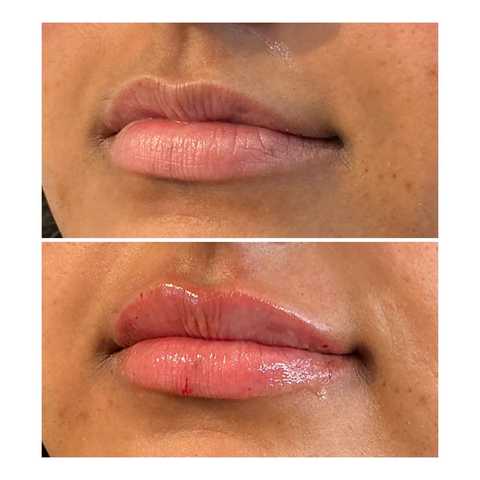
Jenna is bae ♥️ She’s made my lips look like I’ve always wanted them too — more shape, sub...more

Very nice estheticians and gentle. Gave me the results I was expecting and will be returni...more

Nicole did an excellent job understanding the look I was going for, and her technique is s...more

Always a great experience!

The staff were so friendly. They explained each step of my eye treatment. I had a good exp...more

Frequently Asked Questions
Get answers to common questions about Brow Tint.
Brow tint usually lasts four to six weeks depending on hair growth, skin type, and aftercare. Oil-based products, frequent exfoliation, or sun exposure can shorten longevity. We recommend touch-ups every 4–6 weeks to maintain color and shape.
We use professional-grade tints and perform a patch test for clients with sensitive or reactive skin. If a reaction occurs, we won't proceed. Please disclose allergies, recent chemical peels, or medications to ensure safe treatment.
No, properly applied tint does not alter hair structure or damage brows. It dyes the hair shaft surface only. Avoid harsh chemicals and overwashing to preserve healthy hairs. Our technicians use gentle formulas and techniques to protect brow integrity.
Yes — tinting is popular before events for instant definition. Schedule at least 24–48 hours prior for a patch test and to ensure desired color. Avoid doing it the day of if you're concerned about irritation or unexpected color.
Avoid water, steam, saunas, and heavy sweating for 24–48 hours to allow the tint to set. Use gentle, oil-free cleansers and avoid oil-based makeup removers to prolong color. Schedule touch-ups as recommended.
Yes — tint pairs well with brow shaping, waxing, threading, and lamination for a fuller, polished look. Your technician will recommend the best sequence; generally shaping is done first, then tinting, and lamination when appropriate.